Sunset Cliffs
San Diego Surf Spots
Surf Guide
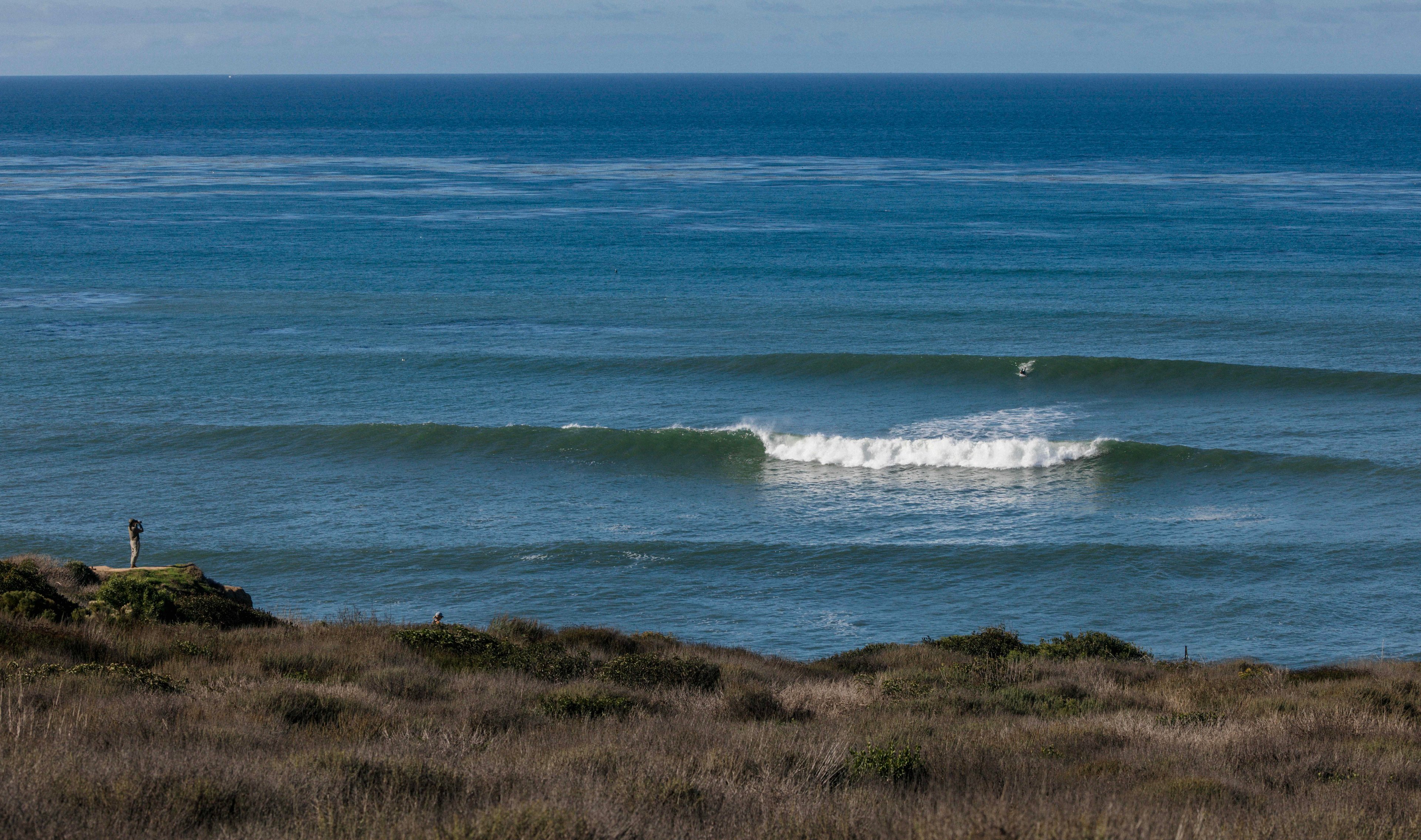
A thick kelp bed several hundred yards outside the break smoothes the bump out of northwesterly wind, making the Cliffs an ideal place to surf when nearby beaches are blown out. To access most of these reefbreaks, rocky cliffs -- and, often, exposed reef -- must be navigated. Long paddles mired by seagrass and kelp are the norm. There are many head-high and overhead days, but most of these spots max out before reaching eight feet. The speed of these waves is often dictated by tide. Low to mid-tide is best. Depending on the power of a swell, mid to high tide can be slower to nonexistent. Super-low tides dramatically alter the character of the breaks, making things interesting with shifting peaks and new sections. Most of the Cliffs' breaks experience long periods of doldrums in the summer. There are huge channels, and to cover all of the breaks, you'd have to paddle and surf more than three miles. Surfers inexperienced with the area are often unable to get back up the cliff trails during bigger days with higher tides. Some have been battered against the cliffs while trying to exit the water. Also, no matter how big the waves, the cliffs themselves present formidable danger. LOCAL RESOURCES: San Diego Surfrider LINEUP TIPS: Etiquette | Surf Safety Basics
Ability Level
Intermediate - Advanced
Intermediate to advanced.
Local Vibe
Doable
Stuffy to mean.
Crowd Factor
Moderate
Moderate to heavy.
Spot Rating
Fun
Runs the gamut from fun and a little wonky to perfect depending on what reef.
Shoulder Burn
Medium
Lots of paddling and most of the reefs only really start to work when it's overhead.
Water Quality
Clean
Typically ok but gets dicey after a rain.
Ideal Surf Conditions
Swell Direction
W, NW, SW.
Wind
E or NE, but can handle light onshore wind from the N/NW thanks to the kelp
Surf Height
Shoulder high to double overhead.
Tide
Medium to low.