West Portugal
Portugal may be one of Western Europe’s smaller countries, but it’s big in terms of options. And, given its exposure to North Atlantic winter storms, the waves themselves get big; the biggest in the world, in fact. But what really separates Portugal from other surfing destinations in Europe is its variety of waves. You can find slabs, beachbreaks, pointbreaks, reefbreaks and XXL waves — sometimes all on the same swell.
The Waves

Almagreira
A wall of crumbly, red sandstone cliffs looks out over this huge expanse of golden sand that stretches from Baleal northeast to the Obidos Lagoon. One of the highlights is Almagreira, home to some consistent banks that work through the tides. Picks up loads of swell so super consistent, but easily blown out.

Baleal
Baleal has been a big destination for traveling surfers for more than 20 years. Most of the learn-to-surf camps in Portugal are located here. With the mellow left reefbreak of Lagide just north of town, followed by miles of open beachbreak, you can have a pretty high surfer population density without too many problems.

The Reef
The Reef is a little finger of lava that sticks out at the far south tip of the Ribeira Bay. North swells come in from deep water, peak up on an outside rock and fold over themselves down the line in one of the fastest, and most dangerous, tubes around. There are no cutback sections, really, and very little room for error. If you blow the drop, you're up on sharp, dry reef. But if you're able to snag one off the locals and make the ledgey drop from behind the peak, you're in for a fantastic four-second view. Just remember to avoid going for that floater on the inside section.There are a few other waves close by, if you're not in the mood for tight tubes and reef dances: Piedra Branca (White Rock) is a hollow, high-tide left about 100 yards south. There's a slightly mushy right just south of the Reef, and on bigger swells, a left breaks off the north edge. *ERICEIRA WORLD SURFING RESERVE* Reef sits in a protected surf ecosystem — preserving the coastline, culture, and access that keep it working. Here's why this break matters.

Ribeira de Ilhas
The cliff lined sandy bay, the reeling right hand walls that speed down the line, back off, then speed through to the finish on the inside. Part of its quality comes in its flexibility - it starts breaking at just over knee high and keeps going to double overhead or more - pumping out huge, winding faces that can run for over 200m. There is also a reef on the outside northern edge of the main break called Pontinha, a right hander that works best in medium swells. *ERICEIRA WORLD SURFING RESERVE* Ribeira D’Ilhas sits in a protected surf ecosystem — preserving the coastline, culture, and access that keep it working. Here's why this break matters. LINEUP TIPS: Etiquette | Surf Safety Basics

Coxos
Europe's best right, Coxos is the crown jewel of Portugal. The wave, which is like a reef/pointbreak, breaks along a shallow rock shelf into a very small bay. Swells muscle their way in from deep water just offshore and form into fast-moving symmetrical right walls that seem to concentrate all their power into the base of the wave rather than the lip, similar to many Hawaiian waves. There's no easy entry at Coxos. You've got to paddle like mad, get to your feet and start driving, otherwise you'll get sucked over and end up on the reef. *ERICEIRA WORLD SURFING RESERVE* Coxos sits in a protected surf ecosystem — preserving the coastline, culture, and access that keep it working. Here's why this break matters.

Cantinho
Cantinho Da Baia - 'corner of the bay' is an area that comes to life in a big northerly, or medium sized northwesterly swell and offers clean waves and winds from northeast to southeast direction. Long, sometimes hollow rights can peel here. Consistent and fun, popular with beginners when small.

Supertubos
Supertubos is one of the best waves in Europe. There's one main peak with a super-fast (though makeable) left, and a somewhat shorter right, and one other peak down the beach that's not quite as perfect but still way better than your average day at most beachbreaks. LINEUP TIPS: Etiquette | Surf Safety Basics

Pedra Branca
Pedra Branca, or White Rock, is not only one of the most famous breaks in the area, it is also the most prominent. It's highly visible and exposed to swell and wind. On smaller days there's a fun, if shallow lefthand wall that peels along this flat rock slab. However, when Autumn swells kick in, it can be transformed into a powerful pit. *ERICEIRA WORLD SURFING RESERVE* Pedro Branca sits in a protected surf ecosystem — preserving the coastline, culture, and access that keep it working. Here's why this break matters.

Praia do Sul
Furnas, in its sheltered corner, can often be the only place working in a big N or NW swell. There's a right hander that breaks out off the headland, but only wakes at a serious size, when it can produce long, rolling, double overhead walls. A powerful wave breaking in deep water. In smaller conditions there are a few peaks along the beach.

Foz de Lizandro
Foz can offer up fun, little peaks that are similar to any average California beachbreak. There's a rivermouth at the south end that opens up in winter and can make a good left in front of the rocks. Toward the middle of the beach, there are assorted peaks that pop up as the tide goes in and out.

Portugal really does have everything: beachbreaks, slabs, pointbreaks, huge waves, good waves for beginners… There are waves for every type of surfer.

When to Score & Seasonal Surf Data
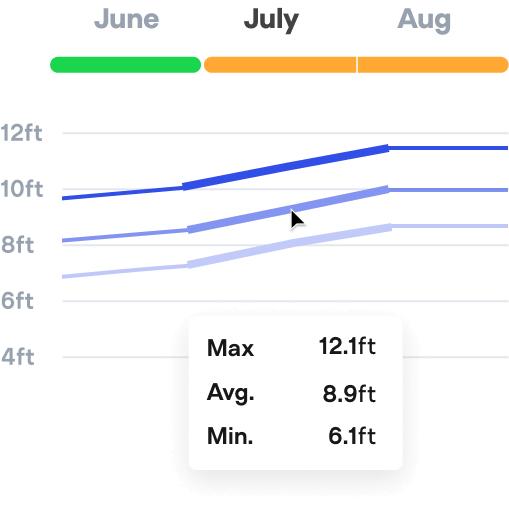
Know exactly when to score — powered by our expert historical forecast data.
Decades of spot-specific swell info — combined with forecaster insights — show your best chance to score, found only on Surfline.
Time to score

Forecaster reports
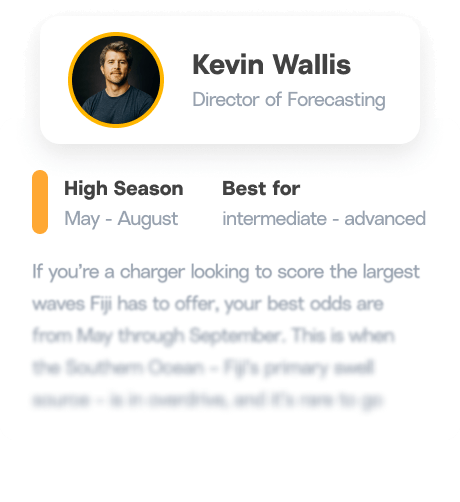
Seasonal Surf Data

Central Portugal According To...
Nic
Von
Rupp
Portuguese pro and Big Wave Tour competitor offers a tour of his homeland’s many riches.
What makes Portugal a special destination for surfers?
Portugal is a special place. You can go to Peniche, which can handle the N and S winds. Ericeira can handle the E winds. Carcavelos can handle the NW winds. There’s such a big variety of waves that thrive on different conditions, so you can always find something.
What kind of waves can surfers expect?
Portugal really does has everything: beachbreaks, slabs, pointbreaks, huge waves, good waves for beginners… There are waves for every type of surfer.
What’s the vibe?
These days there are definitely a lot of people coming to Portugal to surf, so it’s gotten a bit busy. And there is some localism at some spots. But it’s like anywhere — if you know how to behave around the lineup, people will respect you and be nice to you. Portuguese people are usually nice people, very friendly and welcoming.
What should surfers bring?
You definitely want to bring a wide range of surfboards — boards for the small days, but also round-pins with bigger fins that can handle the pointbreaks and bigger days. Then, if you want to surf Nazare, you need to bring guns. Sort of the same quiver you would take to Hawaii, actually.
When is the best time to score?
My favorite time is September, October and November. The wind is calmer, and we start getting swell. That’s when I think the waves are best.
What else is there to do when you’re not surfing?
Just hanging out and soaking in the culture. There are nature parks and beautiful beaches. Portugal has a lot of history, so there are a lot of sites worth visiting. I just like to chill with friends, go into the city and have a nice meal. This year it seems like we haven’t had much rest between swells, so we just enjoy the simple things and try to recover our energy.
What’s your favorite local cuisine?
Steak and fries! Portugal has great steak. The grilled octopus is amazing, too. And of course, the fish is awesome.
Where can people learn to surf?
There are a lot of surf schools and surf camps in Portugal. Ericeira has Lapoint, and there’s also Noah Surf House, which is really cool. If you’re looking for something a little more particular and private, though, go to where where I started surfing: Joao Macedo, a local big-wave surfer, has a nice, private school in Praia Grande called Surf Academia.
Any other local tips?
Portugal is an amazing place, and I advise people to come here. There’s a good balance between the city life of Lisbon and the waves in Ericeira, and everything is close by. It’s a great place to come with your family or partner. It’s really cool to just stay in Lisbon, and drive around for surf. Go into Sintra, surf the waves of Ericeira and visit Nazare — those are the spots you really want to check out.
Travel Essentials

Local scene
While the broader surf world has only recently turned its attention to Portugal – thanks mostly to the Championship Tour events in Peniche and, more recently, our collective winter gaze turning to the XXL madness at Nazaré – the country has been thoroughly surfed since the late 1950s. And Portuguese surfing has been growing ever since, now boasting thousands of local waveriders, dozens of surf shops, and numerous professional and amateur surf contests. Some might mistake Portuguese passion for arrogance; and while there are indeed some heavily localized areas where you will get vibed, most scenes are fairly mellow, as long as you show respect to all the locals, especially the spongers. There’s a thriving bodyboard culture in Portugal. They rip, they charge, and they run the lineups at many spots, so don’t front.
What to bring
If you’re going in the colder seasons when the Atlantic really turns on, be sure to pack the appropriate rubber for the water, and warm enough clothing for land. When it comes to boards, Portugal takes all types: longboards and/or soft-tops for points and beginner-friendly spots; high-performance shortboards for beachbreaks and slabs; rhino-chasers and tow boards for XXL surf, if that’s your thing… A bodyboard might help you fit in, too.
Also: Our amazing partners over at FCS have curated a collection of fine products for your next surf trip. Check it here.
How to get there
After flying into Humberto Delgado, the international airport in Lisbon, it’s about an hour drive to Peniche and about 30 minutes to Ericeira. Like a lot of European surf adventures, renting a car is the best way to explore the coastline and see what’s breaking around the peninsula. Be ready to pay some toll road fees, though.
Downtime
Amp out on little coffees and stroll around the ultra-quaint fishing town of Peniche. Or, if you’re in the mood to bash your knees up, take a run at a graffiti-decorated skatepark. For nature-lovers, head to the Berlengas Archipelago, a nature preserve of small islands off Peniche with epic snorkeling. Check out the Gothic-walled town of Obidos, or, if you get a kick out of flailing boards and bodies, watch the Northern Europeans learning to surf in the soft beachbreaks north of Baleal. There’s around 200 surf schools operating in Portugal today, so if you don’t know what you’re doing, you can pay someone to help you figure it out.
Quick Tips
Travel Time
LAX: 12 hrs
JFK: 7 hrs
Heathrow: 2.5 hrs
SYD: 40 hrs
Connectivity
Cell reception is pretty prevalent in most of Europe’s well-trodden locations. And so is WiFi at hotels, coffee shops, etc. But, if you wanna be fully connected all the time, you’ll probably want to talk with your provider before taking off, so that you can adjust your plan accordingly.
Currency
Euro. At the time of writing, $1 USD = 0.96 EUR
Avg. cost of...
Cup of coffee: $1.50
Lunch: $10.50
Beer: $2.50
Hotel room: $100.00
Visa Requirements
No payment necessary for a visit three months or less.
Drinking water quality
Tap water is considered safe to drink in Portugal.
Hazards
Board-snapping beachbreaks, excessively large Atlantic swells in the winter, passionate European locals, never wanting to leave (there’s a lot of expats, especially Californians).
Cash, card, crypto
Most major credit cards are widely accepted in Portugal. A little bit of cash, as always, is a good idea to have on you, too. ATMs are easy to find.
Explore Other Zones


Have feedback on this zone? Let us know [email protected]
Questions about booking with Surfline Travel? Check out our FAQs